

New clinical trial data demonstrates the potential for a stem cell treatment as a cardiac regenerative therapy.
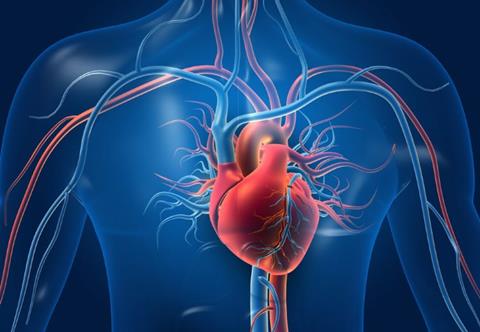
A stem cell therapy has shown promise as an option to repair and regenerate heart tissue following a severe heart attack. Positive findings were recently reported from the EXCELLENT Phase I/IIb trial of CellProthera’s ProtheraCytes® cell therapy in patients with post-myocardial infarction at risk of heart failure.
The rate of mortality due to ischemic heart failure and other causes within the first year after acute myocardial infarction is between five and 10 percent, according to CellProthera.
Helping to prevent heart failure
“We are excited by the promising results of [this cell therapy] study, which confirm the mechanism of action of ProtheraCytes and the potential of our therapy to provide an effective one-off solution to prevent heart failure progression in acute myocardial infarction patients,” stated Matthieu de Kalbermatten, CEO, CellProthera.
Data [from the EXCELLENT trial] suggests patients at high risk following a heart attack may benefit from treatment with ProtheraCytes, to help regenerate post-ischemic myocardial damage"
“The EXCELLENT study further confirms the potential for cardiac regenerative therapy,” noted Professor Faiez Zannad, MD, PhD, Chairman of the study’s steering committee and emeritus Professor of therapeutics at the Université of Lorraine.
“This data suggests patients at high risk following a heart attack may benefit from treatment with ProtheraCytes, to help regenerate post-ischemic myocardial damage… It should be further evaluated in a larger Phase III trial.”
“The congruent favourable changes in infarcted area, left ventricle dimension and NT-proBNP at six months suggest that the cells ProtheraCytes behave according to their expected mode of action, revascularising tissue, reducing necrosis and preventing left ventricular adverse remodelling, holding the promise of improving long-term clinical outcomes,” CellProthera’s CEO told EPR.
He also shared that overall, the data presented “reignite a long-standing hope regarding the regenerative potential of cell therapy in cardiovascular diseases.
“It is the first time that a multicentric randomised trial has been able to test the transendocardial injection of a significant dose of expanded CD34+ stem cells in patients a few weeks post-myocardial infarction.”
EXCELLENT data
The EXCELLENT clinical trial included 49 patients in the UK and France. No significant difference in baseline values was reported in the study’s two treatment arms, CellProthera confirmed.
Data from the EXCELLENT study were presented at the Heart Failure 2024 conference.